Quick rundown on menopause Things that we ignore

 1. What it is Menopause is diagnosed after 12 consecutive months without a period. The average age in most countries is around 45–55, but it varies.  2. Key phases   Perimenopause: The transition period before menopause, often 4–8 years. Hormones fluctuate, cycles become irregular.   Menopause: The point when ovaries stop releasing eggs and estrogen/progesterone drop.   Postmenopause: The years after menopause. Symptoms often ease, but health risks like osteoporosis and heart disease increase. 3. Common symptoms   Hot flashes + night sweats Irregular periods → then no periods Sleep problems Mood changes, anxiety, or depression   Vaginal dryness, lower libido Bone density loss, joint pain 4. Why it matters for workforce diversity In companies like Amber Distributors, menopause affects women typically in their late 40s to 50s. If your workforce is predominantly male and older, you might miss how menopause impacts productivity, a...

Iron ore price jumps as Brazil, Australia shipments delayed

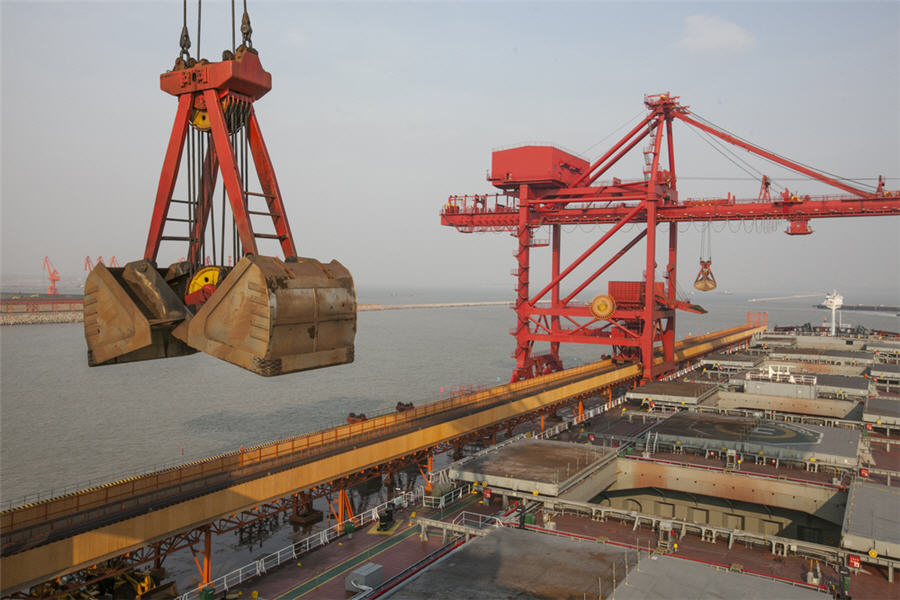
Iron ore shipyard. Image from archives.

Benchmark iron ore futures in China extended gains for a third straight session, closing at the highest price in five weeks, fuelled by falling supplies from major miners.

Shipments from Australia and Brazil — China’s two major iron ore suppliers — fell by 4.04 million tonnes to 24.04 million tonnes as of April 9 from the week earlier, data from Mysteel consultancy showed.

Operational problems and heavy rains are affecting iron ore shipments in Brazil.

IRON ORE PRICE RALLY HAS BEEN SUPPORTED BY INCREASING STEEL DEMAND

Iron ore exports to China from Port Hedland, the top iron ore terminal in Western Australia, recovered by 7.4 million tonnes or 19.4% from February’s low to total around 38.1 million tonnes in March, according to Mysteel.

Last month’s tonnage, however, was still 2.3 million tonnes, or 5.7% down on the year.

The most actively traded iron ore futures on the Dalian Commodity Exchange for September delivery ended up 3.3% at 1,023 yuan ($156.17) per tonne after gaining 3.5% earlier in the session.

“Domestic demand and consumption driven by overseas economic recovery also helped sustain iron ore prices,” analysts with Huatai Futures wrote in a note.

China imported a total of 283.4 million tonnes of iron ore over January-March, higher by 21 million tonnes or by 8% compared with Q1 2020, according to the latest statistics released by the country’s General Administration of Customs.

Benchmark 62% Fe fines imported into Northern China (CFR Qingdao) were changing hands for $173.25 a tonne, down 0.75% from the previous trade, according to Fastmarkets MB.

Steel demand spike

The iron ore rally has been supported by increasing steel demand.

The beginning of 2021 saw a sharp increase in demand, while metallurgical plants were still recovering from the operational downtime incurred during the lockdown.

According to IndexBox, global consumption is forecast to increase in 2021 by 4.1% year-on-year.

“The EU (+11.0%) and other European countries (+11.9%) are projected to see the fastest rates of consumption growth, spurred by a full recovery in the automotive and construction sectors, and other downstream industries,” the market research company said. 

(With files from Reuters)

Comments

Popular posts from this blog

MultiChoice’s BEE scheme trying to find 22 000 shareholders who are missing out on millions

Fighting Drug addiction

This New Ultralight Aircraft May Be World’s Fastest Single-Engine Business Jet