Four Seasons Before Lunch Gauteng (Pretoria)

 I have lived in Pretoria for half my life, but even at almost 50, l still am not ready for mornings like this . I step out of  home in the morning at 7 a.m., greeted by a warm, gentle breeze and sunshine so golden it felt like summer had arrived overnight. The sky was clear; the jacaranda trees glowed purple; the air smelled of warmth and possibility. “Perfect day,” l muttered, locking his door. By the time l drive out—five minutes later—the sky starts to be darkened. A cold wind came crawling in from nowhere, sweeping dust across the pavement. The temperature dropped so suddenly that  l have  to switch the heater for warmth. Laughing. “Ah, Pretoria… you never disappoint.” Halfway to the office, the heavens opened. Not soft rain— a storm . Sheets of water hammered the road, street gutters overflowed instantly, and distant thunder rolled like a grumpy giant waking up too early. People scattered, hiding under bus shelters already too full.  “Ten minutes ago...

Artemis I: NASA’s Bold Plans to Travel Beyond the Moon [Video]

 TOPICS:

Orion Spacecraft

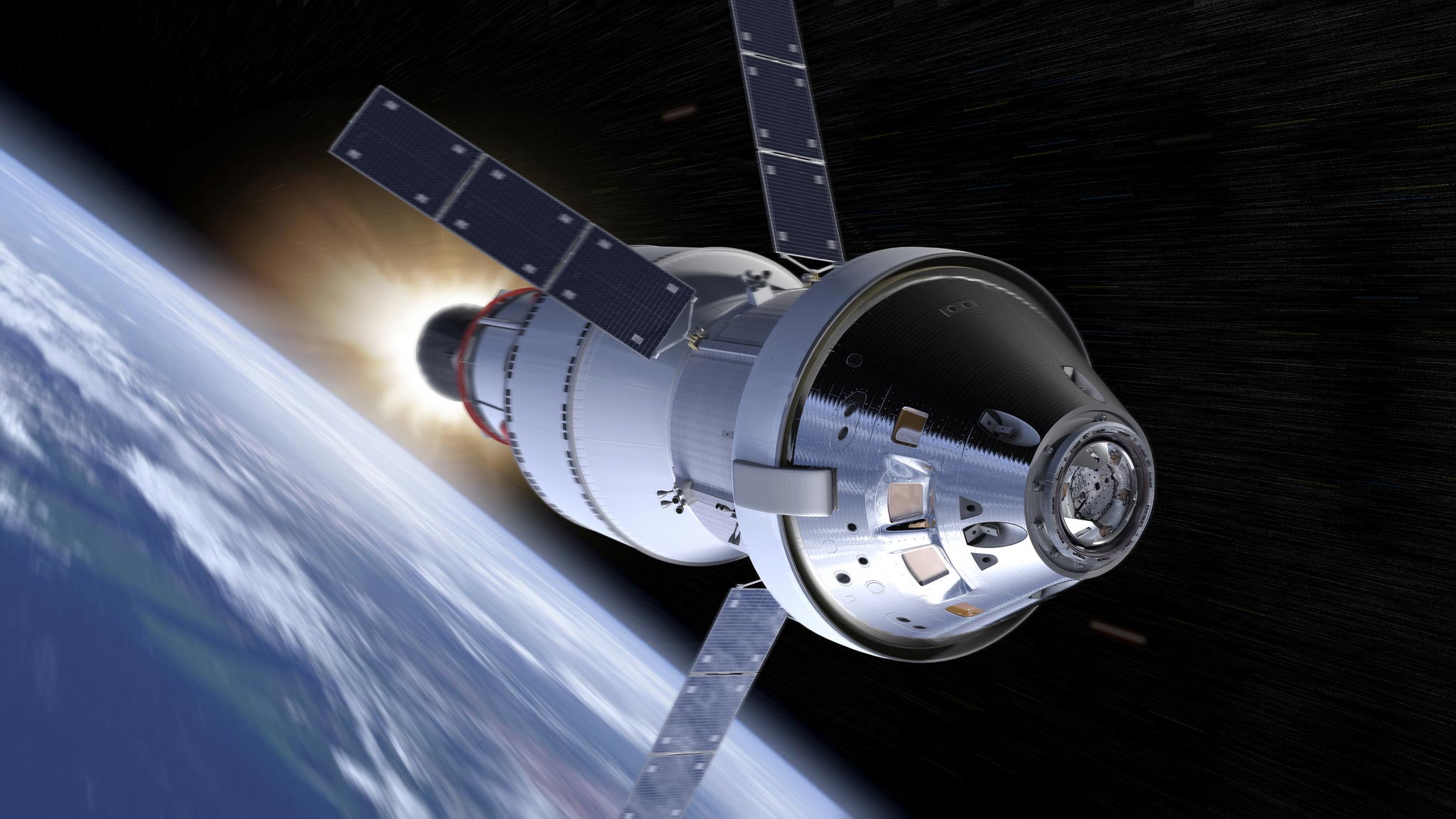
During Artemis I, Orion will venture thousands of miles beyond the moon during an approximately three-week mission. Credit: NASA

Artemis 1 will be the first integrated test of NASA’s deep space exploration systems: the Orion spacecraft, Space Launch System (SLS) rocket and the ground systems at Kennedy Space Center in Cape Canaveral, Florida. The first in a series of increasingly complex missions, Artemis I will be an uncrewed flight test that will provide a foundation for human deep space exploration, and demonstrate our commitment and capability to extend human existence to the Moon and beyond.

During this flight, the spacecraft will launch on the most powerful rocket in the world and fly farther than any spacecraft built for humans has ever flown. It will travel 280,000 miles from Earth, thousands of miles beyond the Moon over the course of about a three-week mission. Orion will stay in space longer than any ship for astronauts has done without docking to a space station and return home faster and hotter than ever before.

With this first exploration mission, NASA is leading the next steps of human exploration into deep space where astronauts will build and begin testing the systems near the Moon needed for lunar surface missions and exploration to other destinations farther from Earth, including Mars.

https://youtu.be/nkYSTLr8LWk

Comments

Popular posts from this blog

MultiChoice’s BEE scheme trying to find 22 000 shareholders who are missing out on millions

Fighting Drug addiction

Ultra-Widebody Volkswagen Bus "Volkswide" Looks Like a Porsche Racing Van