Quick rundown on menopause Things that we ignore

 1. What it is Menopause is diagnosed after 12 consecutive months without a period. The average age in most countries is around 45–55, but it varies.  2. Key phases   Perimenopause: The transition period before menopause, often 4–8 years. Hormones fluctuate, cycles become irregular.   Menopause: The point when ovaries stop releasing eggs and estrogen/progesterone drop.   Postmenopause: The years after menopause. Symptoms often ease, but health risks like osteoporosis and heart disease increase. 3. Common symptoms   Hot flashes + night sweats Irregular periods → then no periods Sleep problems Mood changes, anxiety, or depression   Vaginal dryness, lower libido Bone density loss, joint pain 4. Why it matters for workforce diversity In companies like Amber Distributors, menopause affects women typically in their late 40s to 50s. If your workforce is predominantly male and older, you might miss how menopause impacts productivity, a...

US critical mineral imports up 7.9% y-o-y in Q2 – report

 MINING.com Editor | August 23, 2021 | 9:55 am Battery Metals Intelligence Markets Africa China USA Graphite Manganese Rare Earth 

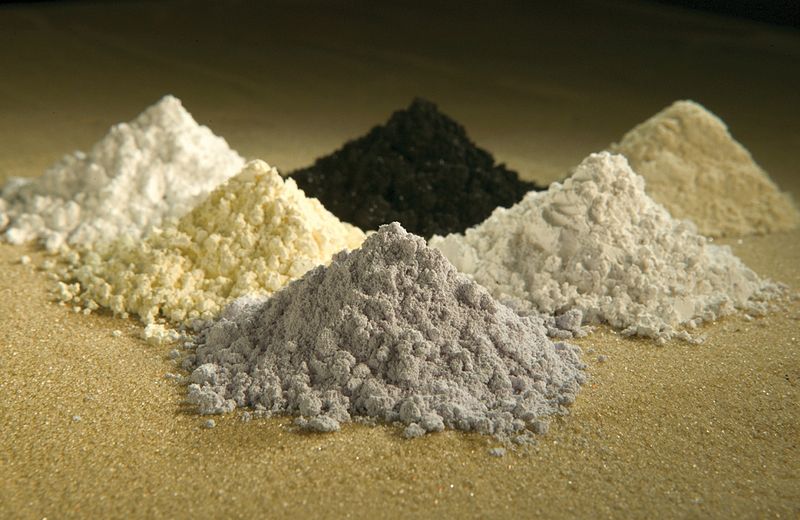
Credit: Wikimedia Commons

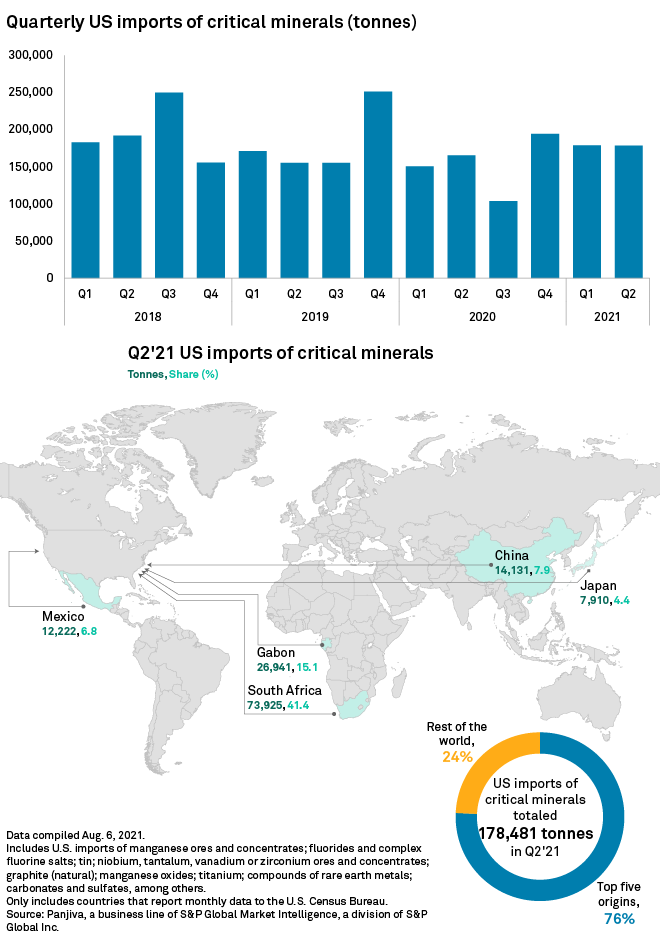
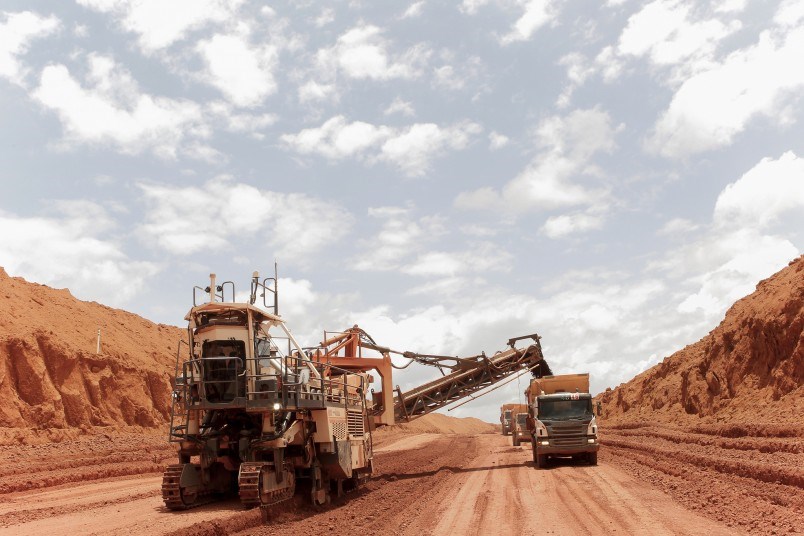
US imports of critical minerals increased 7.9% in the second quarter on a year-over-year basis but stayed relatively flat quarter over quarter, according to an analysis by S&P Global Market Intelligence.

In the first half of 2021, the volume of critical minerals flowing into the country surpassed the 316,108 tonnes imported in the first six months of 2020 by 41,209 tonnes, the report showed.

About three dozen materials fall under the US Interior Department’s list of critical minerals deemed to be important to national security and the economy. These include the manganese and graphite used in electric vehicle batteries, the rare earth elements installed in the magnets used in wind turbines and EV motors, and several other materials required to build clean energy technologies.

According to the S&P data, a majority of the critical minerals imported during the quarter came from South Africa, with 41.4%, while top rival China contributed another 7.9% of the imports. Gabon, Mexico and Japan were also among the top sources of critical minerals for the US.

“We are dependent upon different countries, most notably China, for a number of our critical mineral resources,” wrote Abigail Wulf, director of critical minerals strategy for Securing America’s Future Energy, a group advocating for greater US energy independence.

“We are 100% import-reliant on 13 of the 35 critical minerals that the Department of Interior has classified,” Wulf added.

(Click here for the S&P commentary on the latest report)

Comments

Popular posts from this blog

MultiChoice’s BEE scheme trying to find 22 000 shareholders who are missing out on millions

Fighting Drug addiction

This New Ultralight Aircraft May Be World’s Fastest Single-Engine Business Jet