Quick rundown on menopause Things that we ignore

 1. What it is Menopause is diagnosed after 12 consecutive months without a period. The average age in most countries is around 45–55, but it varies.  2. Key phases   Perimenopause: The transition period before menopause, often 4–8 years. Hormones fluctuate, cycles become irregular.   Menopause: The point when ovaries stop releasing eggs and estrogen/progesterone drop.   Postmenopause: The years after menopause. Symptoms often ease, but health risks like osteoporosis and heart disease increase. 3. Common symptoms   Hot flashes + night sweats Irregular periods → then no periods Sleep problems Mood changes, anxiety, or depression   Vaginal dryness, lower libido Bone density loss, joint pain 4. Why it matters for workforce diversity In companies like Amber Distributors, menopause affects women typically in their late 40s to 50s. If your workforce is predominantly male and older, you might miss how menopause impacts productivity, a...

Deep-sea mining robot lost on cobalt-rich floor of Pacific

 Bloomberg News | April 28, 2021 | 10:08 am Exploration Suppliers & Equipment Latin America Cobalt Nickel 

Deep-Sea mining robot lost on cobalt-rich floor of Pacific
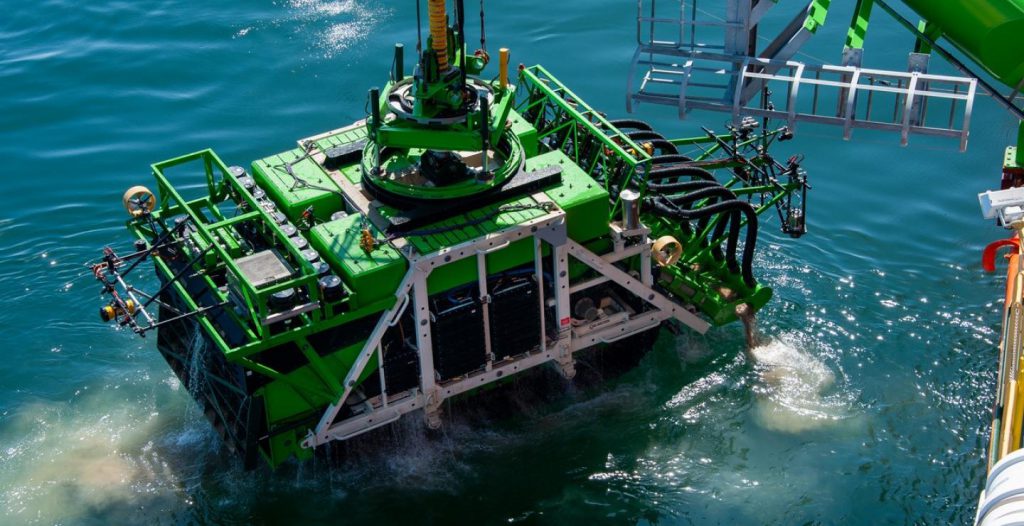
Patania II, a 25-tonne seabed mining robot, is lowered into the Pacific Ocean. Credit: DEME

A deep-sea mining robot on test mission to bring up rocks rich in cobalt and nickel from the floor of the Pacific Ocean has malfunctioned.

Controversial plans to mine the ocean floor face a key test this year when a United Nations body unveils rules that could spur the exploitation of hundreds of billions of dollars of battery metals. Environmentalists say that would endanger fragile marine ecosystems, while the industry argues that extracting metals needed for the green-energy transition would cause less damage than terrestrial mining.

Related: World’s Top Ten nickel projectsClarion-Clipperton Zone is no. 1

Global Sea Mineral Resources, a unit of Belgium’s DEME Group, brought up its first minerals from the ocean floor on April 20. It’s one of the companies, including DeepGreen Metals Inc., Lockheed Martin Corp. and China Minmetals Corp., spearheading moves to exploit seabed metals needed by electric vehicles.

“Patania II now stands on the sea floor,” GSR said in a statement on Wednesday, referring to the name of its mining device. Salvage operations will begin later today after a pump needed to lift the robot failed.

The GSR robot had been operating at a depth of 4.5 kilometers (2.8 miles) in the Clarion-Clipperton Zone: an expanse of ocean between Hawaii and Mexico that’s as big as the continental U.S. Its seabed is littered with billions of tons of manganese nodules — fist-sized rocks formed over thousands of years, which are filled with nickel and cobalt needed for lithium-ion batteries.

“This glaring operational failure must act as a stark warning that deep-sea mining is too big a risk,” Greenpeace marine biologist Sandra Schoettner said in a statement. A Greenpeace ship has been monitoring GSR’s activities in the Pacific Ocean.

(By Jonathan Tirone)

Comments

Popular posts from this blog

MultiChoice’s BEE scheme trying to find 22 000 shareholders who are missing out on millions

Fighting Drug addiction

This New Ultralight Aircraft May Be World’s Fastest Single-Engine Business Jet